Retirement is not the End.  It is the Ascent you've Earned.

I help people in their fifties and sixties choose what comes next, and choose it well.

I'm Col Alok Asthana (retired), now age 73.  After 65, I started filtering out the noise in my life to focus on what was truly valuable. I survived the social isolation, started writing seriously, initiated adventure, rebuilt my mind and body,  trekked to Everest Base Camp at 69, and took up competitive powerlifting at 71. Reached world level in 11  months.  It wasn't easy. If we meet, I'll tell you more about my career failures, clogged arteries, high cholesterol, and above all, rotator cuff tear just 18 days before the world meet.  Surely, there's something I did right to overcome these.  Thirteen books in print, six in the pipeline,  two silver medals at the World Bench Press Championships (in a class of two, and the book explains why that matters), I now help people make the ascent — into a second half of life after work, or simply onto a higher plane of the life they already have.  It's very doable.  

AuthorFacilitatorField-tested
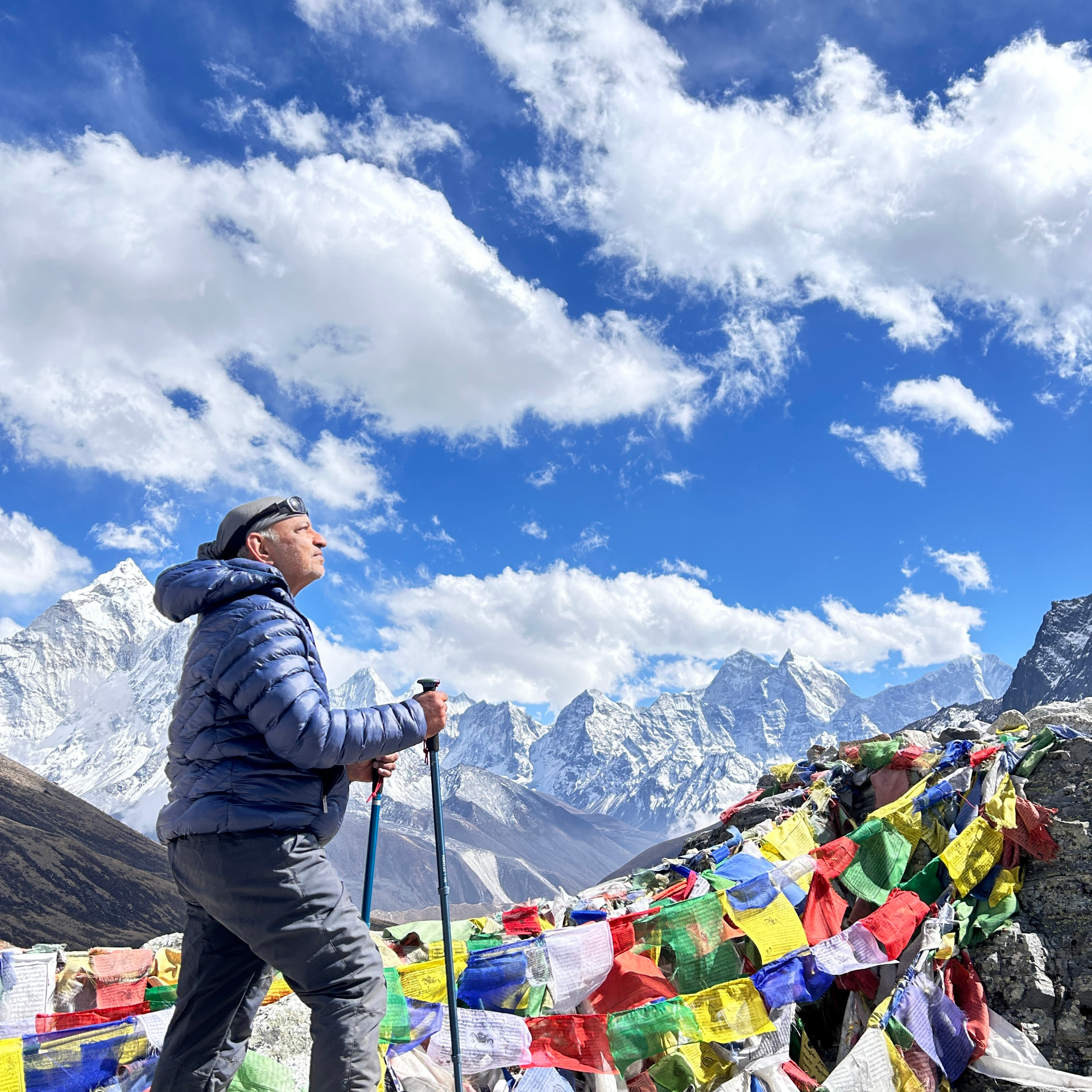
Alok Asthana on the trail to Everest Base Camp, prayer flags and Himalayan peaks behind him
Field 01 · Khumbu
Alok Asthana
73 · Author · Powerlifter

Watch video at https://youtu.be/wK4u-b_Bj54.

The Post-65 Story

Milestones, marked in the field

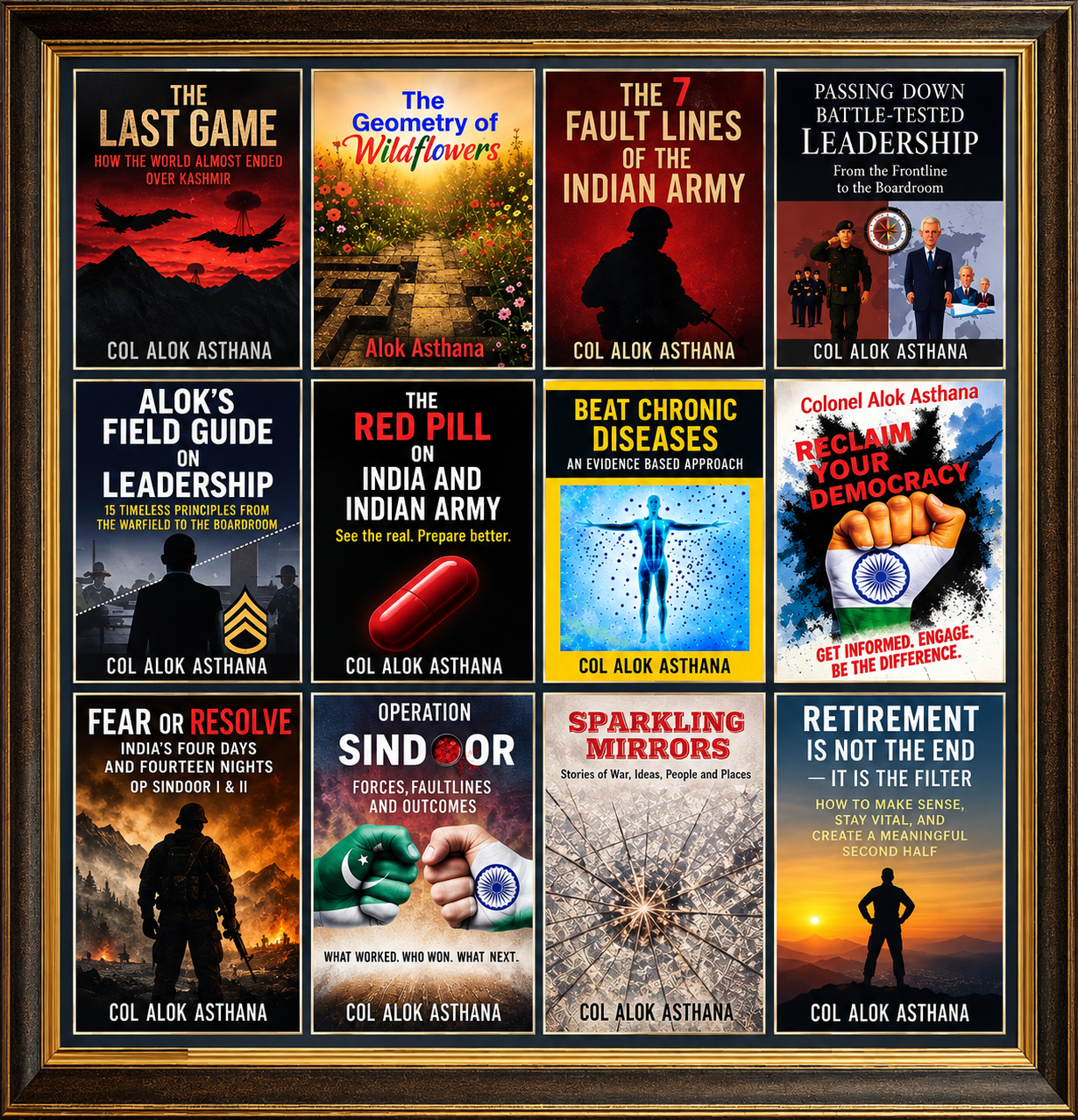
A shelf of books written by Col Alok Asthana
AGE 65

Survived the social isolation and became resilient

Stuck to my ideals, survived the isolation, and found my voice. Started writing vigorously. Took on what I saw as wrong. 13 books published, some very bold. Details on https://alokasthana.com/  7 more, even bolder, in pipeline.

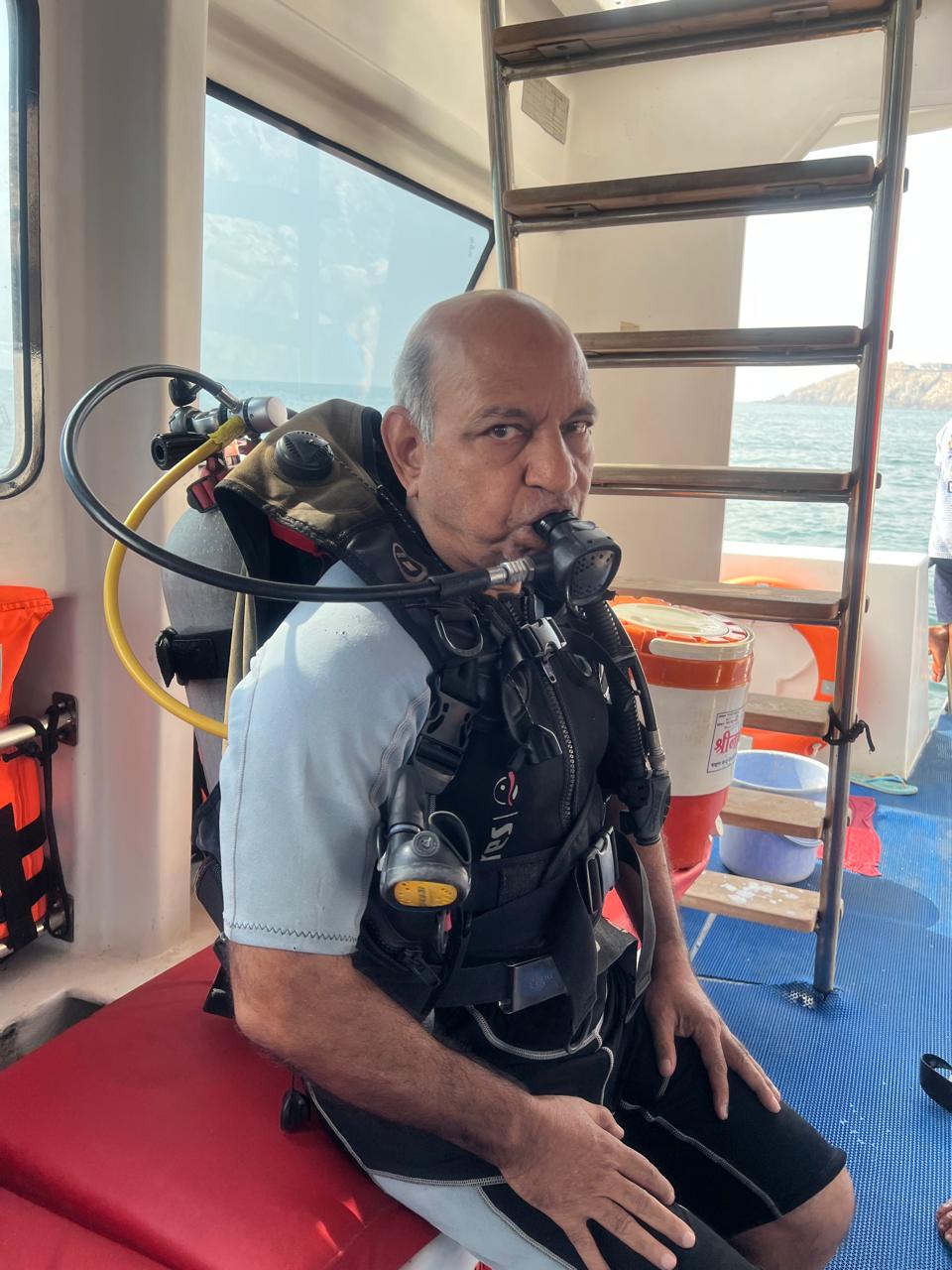
Alok Asthana in scuba gear on a dive boat
AGE 68

Started building body and mind

Improved nutrition and mind-body connection, resulting into several adventure activities.

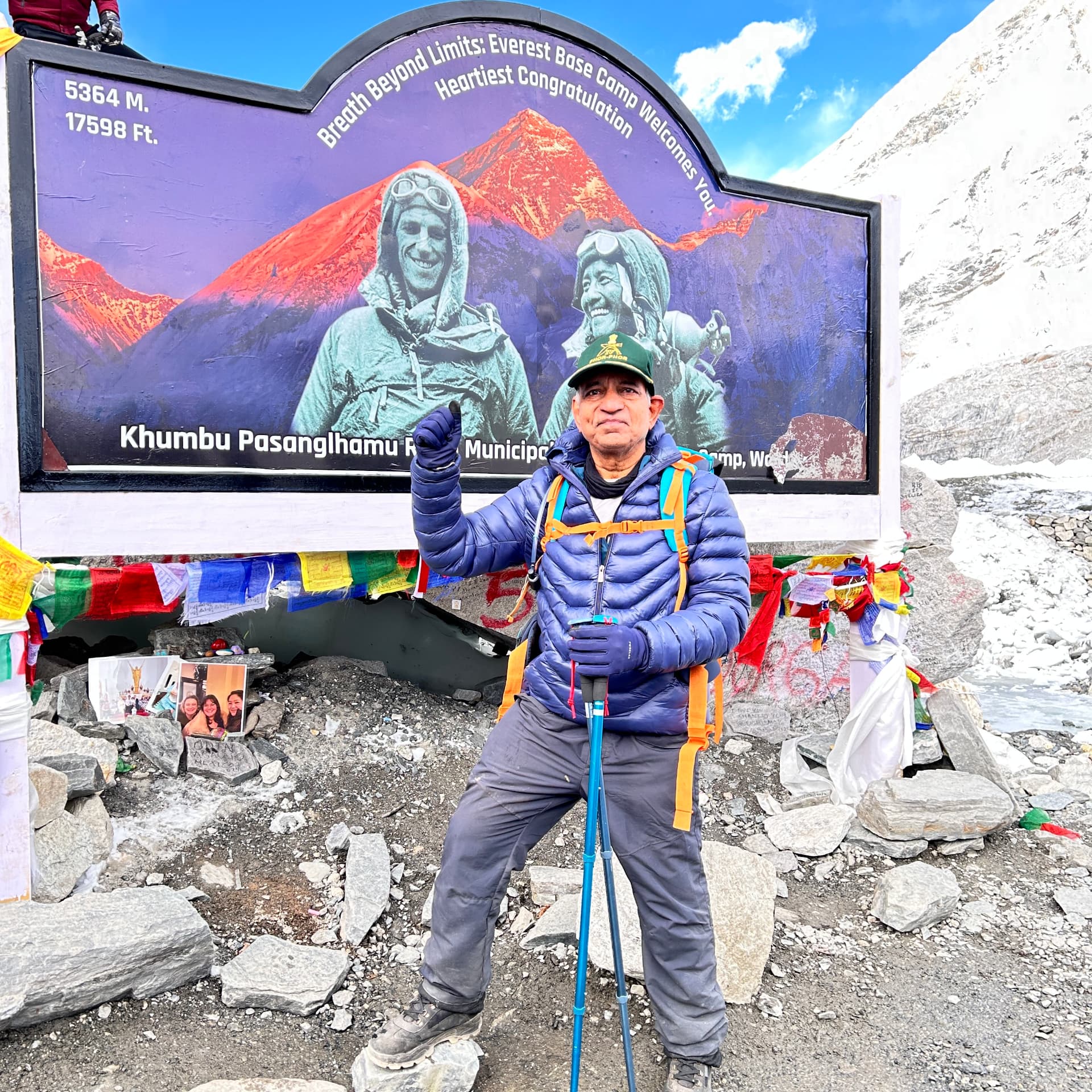
Alok Asthana at the Everest Base Camp sign at 5,364 m
AGE 69

Atop Everest Base Camp 5364 M

Strong and resilient, I kept pushing and ended up atop Everest Base Camp. An incredible experience.

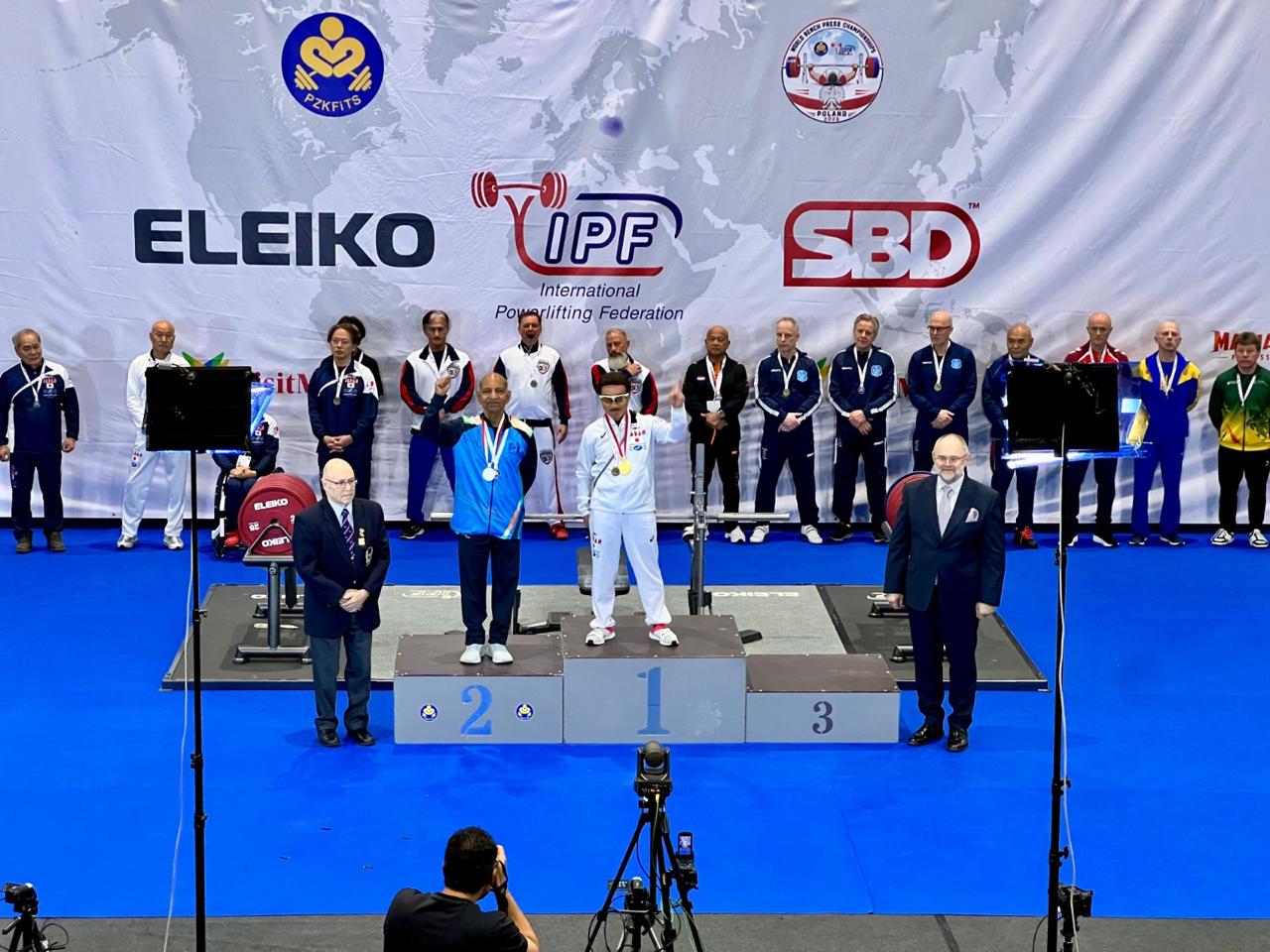
Alok Asthana on the silver podium at the IPF World Bench Press Championship in Warsaw
AGE 73

World Bench press 2026 - Two Silvers

Started competitive powerlifting and within 11 months, won 2 Silvers at World Bench Press.

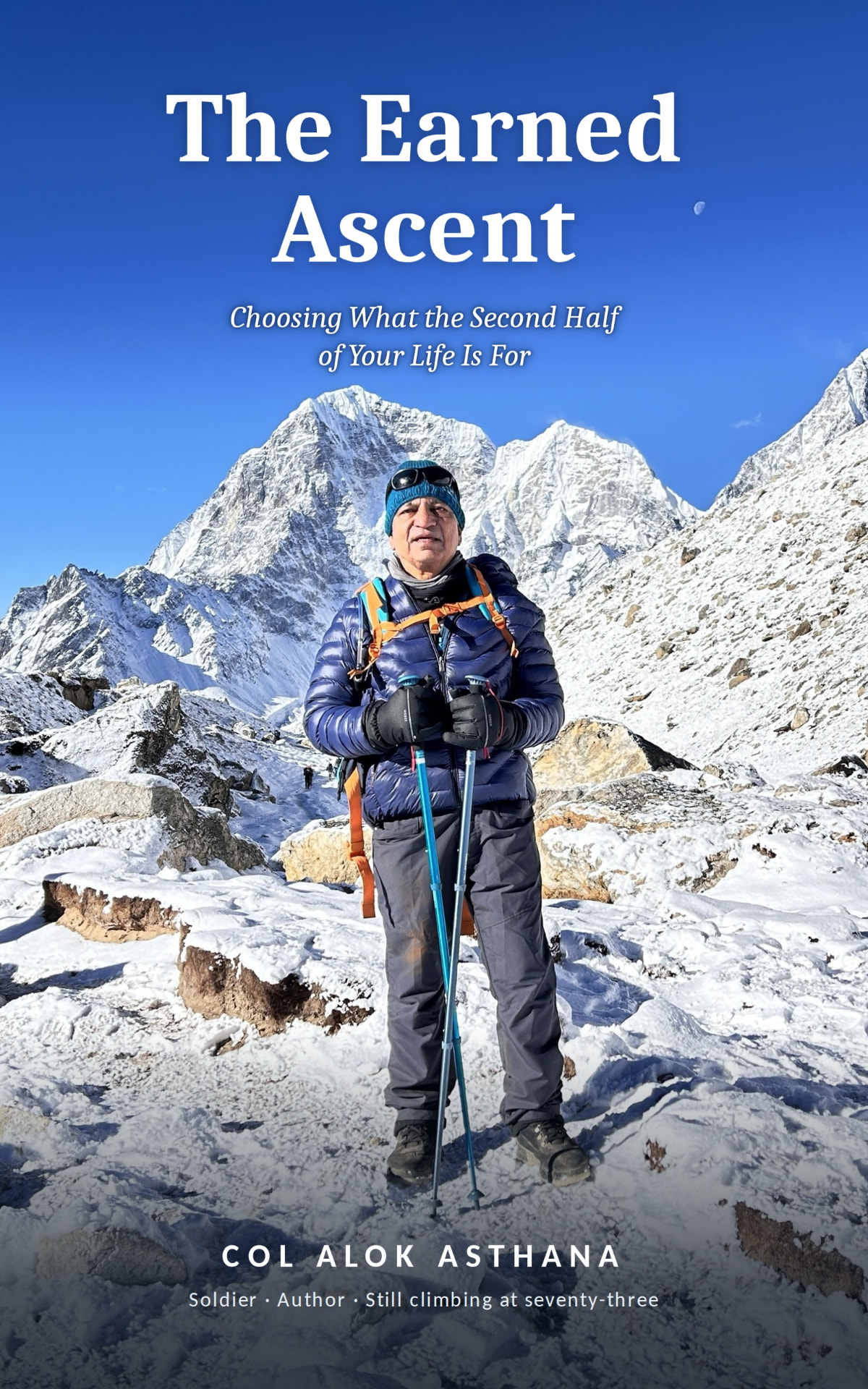
Cover of The Earned Ascent by Col Alok Asthana
The new book

The Earned Ascent

Choosing What the Second Half of Your Life Is For

At seventy-three, with a torn shoulder, I flew to Warsaw at my own expense to compete in the World Bench Press Championships. There were two men in my class. This short, honest book is about what that taught me, and about how to choose what the next thirty years of your life will be for. Every exercise in it is in the free workbook.

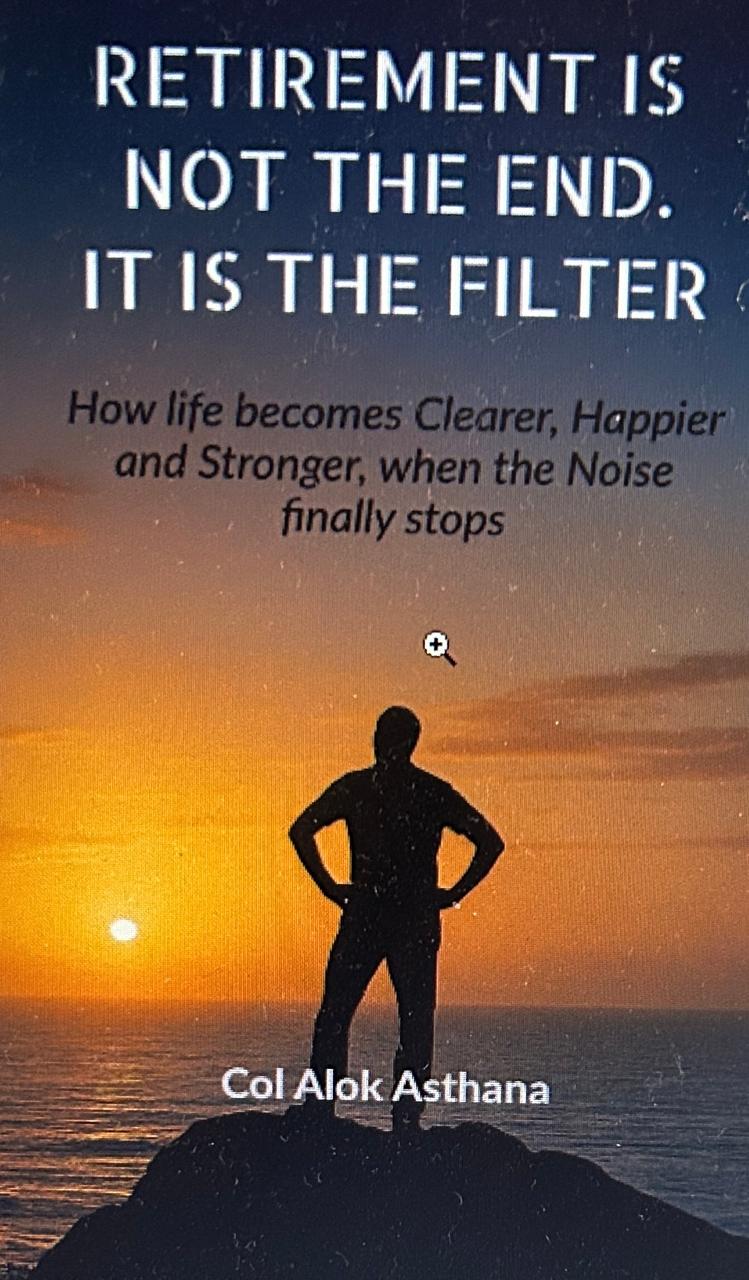
Cover of Retirement is not the End. It is the Filter by Col Alok Asthana
The companion book

Retirement is not the End. It is the Filter.

A field manual for people who don't want to be left standing at the edge.

This is the book everything else here rests on. It takes the one event most people quietly dread — the last working day — and treats it as a filter rather than a full stop. What the filter removes is approval, urgency and performance. What it leaves behind is choice: of effort, of restraint, of difficulty, and of joy.

If you are redesigning your life, it gives you a way to decide what stays and what goes — which work, which habits, which relationships still earn their place. It is written from lived experience, not theory: military years, competitive sport begun after sixty, long solo journeys on the road, and Everest Base Camp on foot at sixty-nine. It also carries a complete guide to that trek and the training behind it, so the ambition has a concrete first step.

It promises no reinvention and no endless positivity. It offers something rarer — a calm account of how life becomes clearer, stronger and unexpectedly happier once the noise is gone.

Amazon.com - https://a.co/d/02dB6ySzAmazon.in - https://amzn.in/d/01D3R9ot

Plenty of people have achieved remarkable things after 65. What's rarer is being able to explain why — and I can. As a trained leadership facilitator, I went back through my own transformation and broke it down into the specific attitudes, behaviours and skills that made it possible. That's not a memoir. It's a method, and it's teachable.
Two Ascents

Every ascent is earned. Not every ascent begins at retirement.

Where to Start

Three ways to begin

Most people arrive wanting one of these. We'll help you work out which, before you commit to anything.

A plan for the whole transition

Whether you are deciding, leaving, or already adrift, a staged roadmap for the next several years: what to let go of, what to try, what to keep.

Second-half ascent

A new direction

A project, a role or a way of living worth getting up for, tested in small steps before you stake much on it.

Second-half ascent

A happier ordinary day

You may not need a new life. Practical routines and ways of thinking that raise how the days you already have feel.

Higher-plane ascent

Either ascent can be taken on its own, or one after the other.

Not sure which? That is the first conversation.

These three are where most people begin. In all I offer seven modules, and you choose which ones. After our first conversation I send you the full menu.

The walk

A guided walk, not a classroom

What you take away: a clear choice of what comes next, a one-page plan in your own words, and a first move to try.

We begin by talking. I ask what you are hoping for: calmer and happier days, a project worth getting up for, or a plan for the whole next phase. Then I listen for what sits behind the answer, which is often different from the first one. That is normal.

Next comes Day One, the selection board turned inside out. You take a strengths survey beforehand and write your own list. We then have an unhurried conversation about the moments you felt most alive, work out the pace, company, horizon and stakes that suit you, and agree a few small first moves.

From there the path follows you. Some people need to see why the mind keeps wanting the wrong things. Some need to look at what they believe matters. Some need the body steadied first. I work through whichever layers of the Anchor Method you need, usually one or two. It comes from what I have done myself. Where research is strong, I tell you so and show it. Where it is craft, I tell you that too.

You leave with a map of the reasoning behind your main conclusions, so you can revisit it when things change, a one-page plan in your own words, a first move to try, and a date to review it. You also take home a structured notebook, in which your maps and notes stay with you.

It is a first step, not a verdict. A year from now a different you will ask, "Why didn't I think of that?" You will laugh, and that is how it should be. Try a first version, learn from it, improve it: that is the core technique of prototyping.

It runs in a small group of five to seven in a quiet place over a few days, or one to one at your pace. There are conversations, short exercises and time to think. You choose how deep to go. I take on three or four engagements a year.

These three are where most people begin. In all I offer seven modules, and you choose which ones. After our first conversation I send you the full menu.

  • Your whole next phase: look at the whole stretch, before, during and after the change, so nothing is missed.
  • A new direction: find a direction that suits you, and test it before you commit.
  • A happier ordinary day: keep the job, add the joy.
  • Meditation and mindfulness: quiet the mind, anywhere, with no belief required.
  • Exercise: build strength at any age.
  • Food: learn what and when to eat.
  • Life-sustaining beliefs: a way of thinking that holds in hard times.
Together

In a small group

Five to seven people who choose to do it together: friends retiring around the same time, a few couples, former colleagues, members of a club. You choose somewhere quiet and beautiful and invite me to join you for a few days. Each person goes through a complete Day One of their own.

Privately

One to one

The same work, done privately with me, at a time and pace of your own.

Arranging a group

Write to me with roughly how many of you there are, where you are thinking of going, and when. We will talk it through before anything is fixed.

Request a Day One
Facilitation

The method follows the person, not the other way round.

Most facilitators teach from a single school — pure mindfulness, pure Stoicism, pure behavioural training — and apply it the same way to everyone. I don't. In twenty-six years of command and sixteen years coaching executives, I learned that no single technique holds for every person, because people get stuck for different reasons.

A diagnostic ladder

The Anchor Method

After Day One has found your direction, the Anchor Method helps you hold it. It is a diagnostic ladder: five layers, each one the answer to a specific reason the layer above it didn't hold. We go only as deep as you actually need.

  1. 01

    Behaviour

    the skill itself. Direct, practical training in attention and habit. For most people, most of the time, this is genuinely enough — the only thing missing was practice, not insight.

  2. 02

    Belief

    the reframe underneath. When a skill won't stick, the obstacle usually isn't willpower — it's an unexamined hierarchy of what "matters." We work at that level, drawing on philosophical traditions that question imposed hierarchies of meaning.

  3. 03

    Body

    the nervous system. Sometimes belief alone can't hold because the body is still living in threat mode. Here the work turns physical: breath, regulation, training the nervous system to access rest on demand rather than by accident.

  4. 04

    Thought

    outcome and control. When the body is regulated and old patterns persist, the block is usually attachment to outcome. We draw on Stoic discipline: direct effort only where it can genuinely change something, and consciously release the rest.

  5. 05

    Self

    what's underneath the thoughts. For a few people, the work goes deeper still — discovering, experientially rather than intellectually, that you are not identical with your thoughts. This layer draws on both neuroscience and contemplative tradition, and it's the anchor that holds when nothing else does. It answers a different question than the other four: not how to feel better more often, but why 'better' never feels like enough.

Most people need one or two of these. A few need all five. Either way, we find your anchor — and hold it.

Where the research is strong, I show it. Where it is craft from my own experience, I say so.

Request a conversationBegin with what is actually holding you back
For advisers and organizations

Turn your clients' next chapter from a warning into a departure.

I work with wealth advisers, employee-benefit teams, and people-facing institutions to make the post-career transition a conversation worth having — grounded in lived experience, not a spreadsheet.

Advisers

Give your clients a credible, non-ageist frame for the filter.

Organizations

Create room for the people about to change everything.

Readers

Start with the book as a companion for the edge of change.

Request a conversationFor your next chapter

The first step is a thoughtful exchange about the people you serve and the transition they are facing.

Contact

Start with a conversation.

Call, message on WhatsApp, or write. I reply personally.

The first call is about what you hope for. There is no commitment.

Tell me what you hope for and I will tell you honestly whether I am the right person for it.

Write to me

Col Alok Asthana (Retd) · India

Mindset, philosophy, and lifestyle facilitation — not medical or psychological treatment.